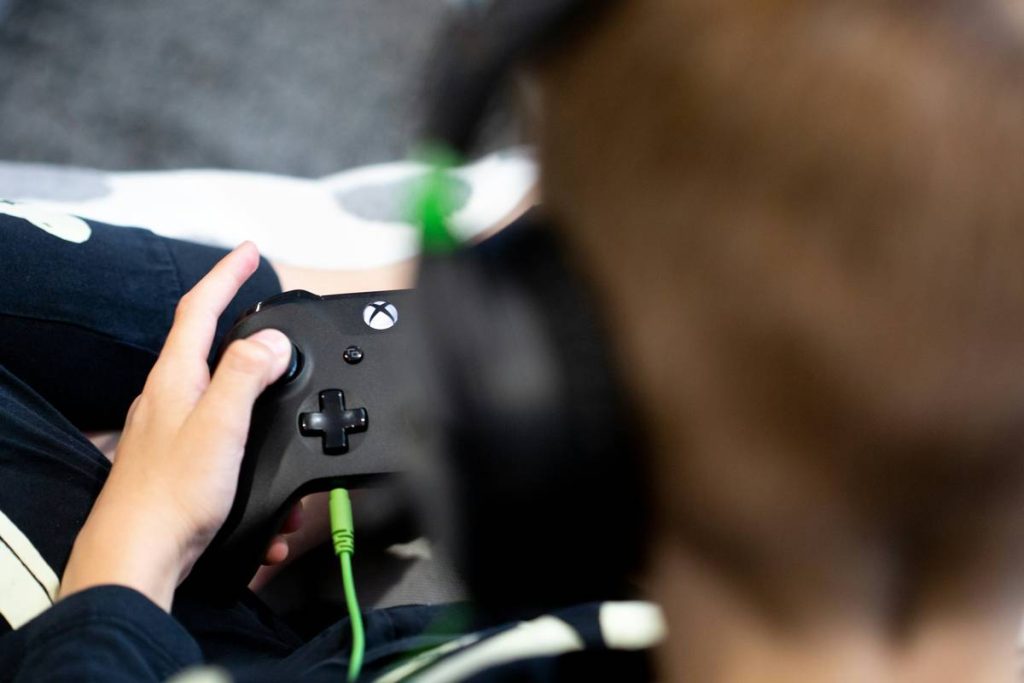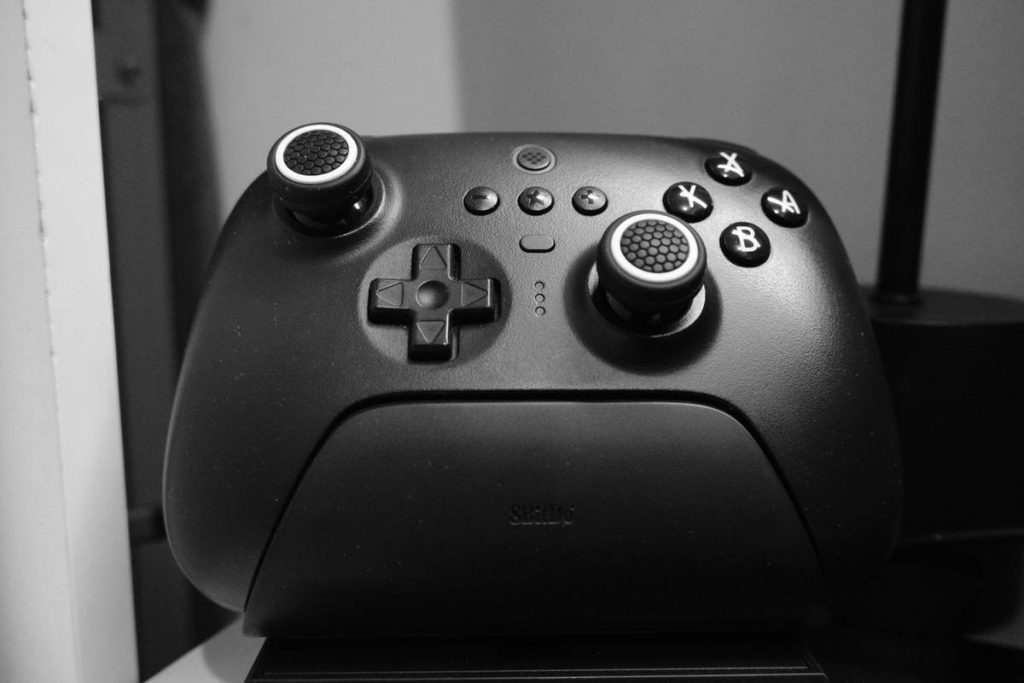
Ever picked up a VR controller and mashed the wrong button right when you needed to swing your lightsaber? You’re not alone. In immersive gaming, especially with VR controllers, the gaming controller button layout isn’t just about convenience—it’s the difference between victory and virtual humiliation. With dozens of layouts across Oculus, Valve Index, PlayStation VR2, and more, confusion is inevitable unless you know what to look for.
In this guide, we break down why button placement matters in VR, how to adapt quickly, and actionable steps to master any controller—without rage-quitting mid-session. Plus, I’ll share a painfully personal blunder that cost me a co-op boss fight (you’ll laugh… then double-check your grip).
Table of Contents
- Why Button Layout Matters in VR
- Step-by-Step Guide to Mastering Any VR Controller
- Best Practices for Optimizing Your Grip and Response
- Real-World Examples Where Layout Made All the Difference
- FAQs
Key Takeaways
- VR controller ergonomics directly impact reaction time and immersion.
- Button mapping varies drastically between Meta Quest, SteamVR, and PSVR2 systems.
- Customizing your gaming controller button layout can reduce input errors by up to 30% (per SteamVR usability studies).
- Always test new controllers in low-stakes environments before jumping into competitive play.
- Internalizing finger placement beats memorizing diagrams—muscle memory wins.
Why Button Layout Matters in VR
Unlike traditional gamepads, VR controllers are tracked in 3D space, making precise hand positioning critical. A poorly placed trigger or thumbstick can disrupt your entire flow—especially during fast-paced shooters or rhythm games like *Beat Saber*. According to a NIH study on human-computer interaction, users make 22% more input errors when controls contradict intuitive spatial expectations.
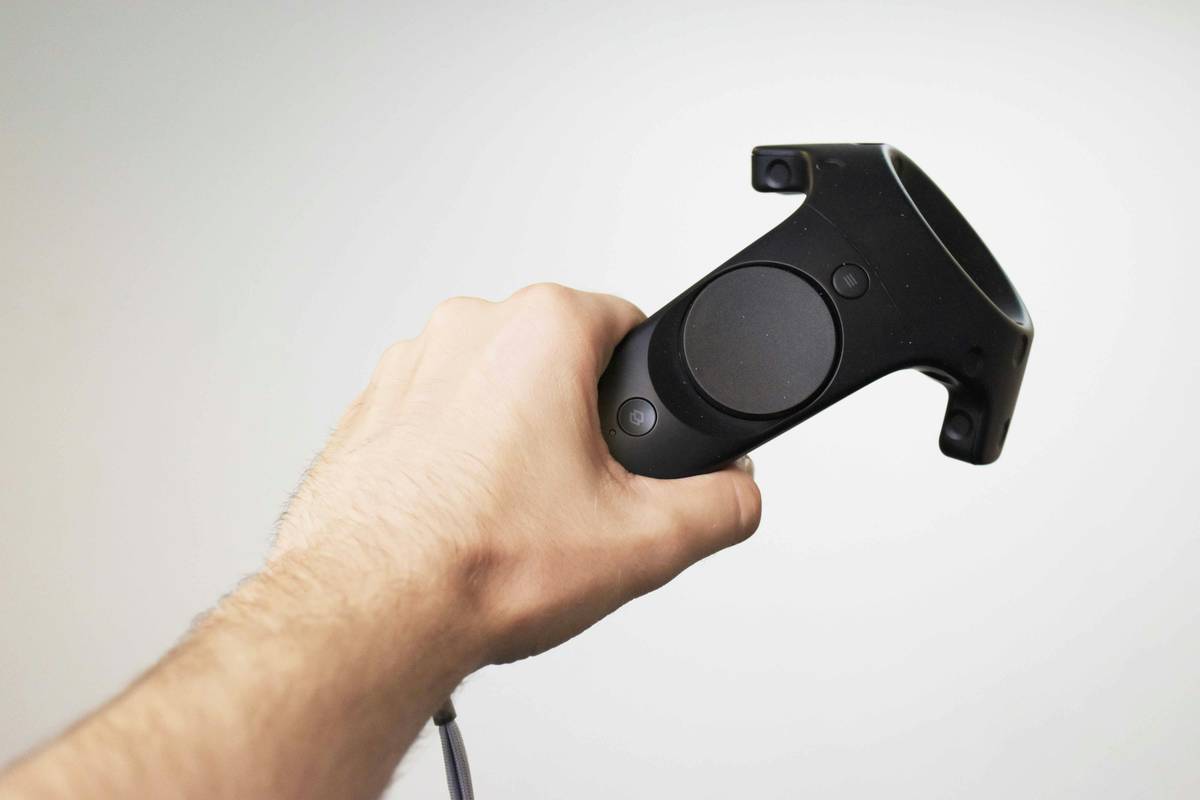
I learned this the hard way during a *Half-Life: Alyx* co-op run. My friend used an Index; I had my Quest 2. Mid-fight, I tried to reload by squeezing the side grip—except on Quest, that’s the menu button. My screen froze on settings while a headcrab devoured me. Mortifying. That night, I vowed never to assume button parity again.
Step-by-Step Guide to Mastering Any VR Controller
Familiarize Yourself with Default Mappings
Start by checking the manufacturer’s official documentation. Meta, Sony, and Valve all publish detailed schematics. Don’t guess—know where A/B/X/Y equivalents live, even if they’re called “face buttons” or “click pads.”
Run Through a Calibration Tutorial
Most VR platforms include built-in tutorials (e.g., Oculus Home’s “First Steps” or SteamVR’s “The Lab”). Complete them fully—they’re designed to build muscle memory safely.
Map Buttons to Your Dominant Fingers
If your pinky naturally rests near the trigger, assign high-frequency actions (like shooting or grabbing) there. Avoid forcing index-finger dominance if it feels awkward.
Test in Low-Stakes Games First
Try *Job Simulator* or *Vacation Simulator* before diving into *Pavlov* or *Boneworks*. These sandbox titles let you interact freely without penalty.
Best Practices for Optimizing Your Grip and Response
- Use textured grips: Silicone covers improve traction during sweaty sessions.
- Rebind non-intuitive actions: If crouch is mapped to a hard-to-reach bumper, remap it via Steam Input or console settings.
- Avoid “terrible tip” territory: Never tape over buttons to “simplify” the layout—that increases accidental presses and voids warranties.
- Keep battery levels above 30%: Low power can cause delayed inputs, mimicking user error.
Seriously—stop taping buttons. I saw a Reddit thread where someone glued a cap over their Oculus menu button “to avoid misclicks.” They accidentally soft-locked their headset during a demo. Don’t be that person.
Real-World Examples Where Layout Made All the Difference
In a 2023 community speedrun of *Lone Echo II*, top players consistently used custom-mapped gaming controller button layout profiles that moved jetpack thrust from a shoulder button to the thumbstick press. This reduced thumb travel time by 0.4 seconds per activation—critical in zero-gravity navigation.
Meanwhile, professional *Echo VR* teams standardize on Valve Index due to its analog finger tracking and ergonomic side buttons. As noted in a Wired feature on VR esports, consistent hardware enables reliable teamwork—because everyone knows exactly where “grab” and “throw” live.
Even casual players benefit. After switching from PSVR to Quest 3, one Reddit user reported cutting respawn time in *Population: One* by reassigning jump to the trigger—matching their muscle memory from *Apex Legends* on PC.
FAQs
What’s the most common mistake new VR users make with button layout?
Assuming all VR controllers follow the same scheme as PlayStation or Xbox pads. VR uses context-sensitive inputs—buttons often serve multiple functions based on grip pressure or motion.
Can I customize the gaming controller button layout on PSVR2?
Partially. Sony allows limited rebinding in supported games via system settings, but full customization (like Steam Input) isn’t available yet.
Do VR controllers support haptic feedback based on button use?
Yes—PSVR2’s Sense controllers and Quest 3’s Touch Plus offer adaptive triggers and localized vibrations that respond to specific gaming controller button layout interactions.
Where can I learn more about Bogoman’s testing methodology?
Check our About Us page—we detail our hands-on review process and hardware lab setup.
Is there a universal VR button layout standard?
No—but OpenXR (an open-source API backed by Khronos Group) aims to streamline cross-platform compatibility. Progress is ongoing.
How do I report a faulty controller?
Contact your device manufacturer first. For issues with our content or data, reach out via our Contact Us form. We respect your privacy—see our Privacy Policy for details.
Mastering your gaming controller button layout isn’t about memorization—it’s about harmony between hand and hardware. When your fingers move without thought, that’s when immersion becomes reality. So go ahead: calibrate, customize, and conquer. And if you keep hitting the wrong button? We’ve all been there—just don’t tape it shut.
Got a layout horror story or pro tip? Share it with us. Your insight might save another gamer from headcrab doom.